

With 70 years of history, new family ownership, and a renewed commitment to quality and affordability, RUKO Knives is sharpening its future in the outdoor industry.
There are certain names in the outdoor industry that have been around for so long that we sometimes overlook them. They aren’t necessarily the companies spending millions of dollars on advertising or introducing the latest and greatest product every six months. Instead, they’re the companies that have quietly built a reputation over decades by offering products that people can afford and depend on.
RUKO Knives is one of those companies.
If you’ve spent much time around sporting goods stores, hunting equipment, or knife displays over the years, there’s a good chance you’ve encountered the RUKO name. The company has been around since 1956, offering a wide selection of knives and cutting tools for hunters, outdoorsmen, and everyday consumers.
But like many established companies, RUKO reached a point where it needed some fresh thinking, new energy, and perhaps a different approach to doing business.
That’s where this story gets interesting.
Today, RUKO is entering a new chapter under family ownership, with plans to modernize the brand, introduce new products, and remind consumers why an affordable knife can still be a very good knife.
And personally, I think that’s a story worth telling.
A Family Business With 70 Years of History
One of the things I’ve always appreciated about the outdoor industry is the number of companies that began as family businesses. Some of the most recognizable names in firearms, ammunition, reloading equipment, and knives were built by families who had a passion for their products.
RUKO fits that tradition.
Founded in 1956 by the Koppe family, the company spent decades developing its presence in the knife market. Operating from Canada, RUKO built relationships with manufacturing partners and established a dealer network that eventually grew to more than 1,000 retailers.
That’s quite an accomplishment when you consider how competitive the knife industry has become.
Today, consumers can choose from hundreds of knife brands, ranging from inexpensive imported pocketknives to premium American-made products costing several hundred dollars.
Yet RUKO managed to remain in business for seven decades.
On December 31, 2025, the company’s U.S. business was acquired by RynoBlade Knives, a family-owned company operated by the Nicholas family. The acquisition brought a new direction to RUKO, including moving its operations from the Toronto area to Scottsdale, Arizona.
What I found particularly interesting about this acquisition was the motivation behind it.
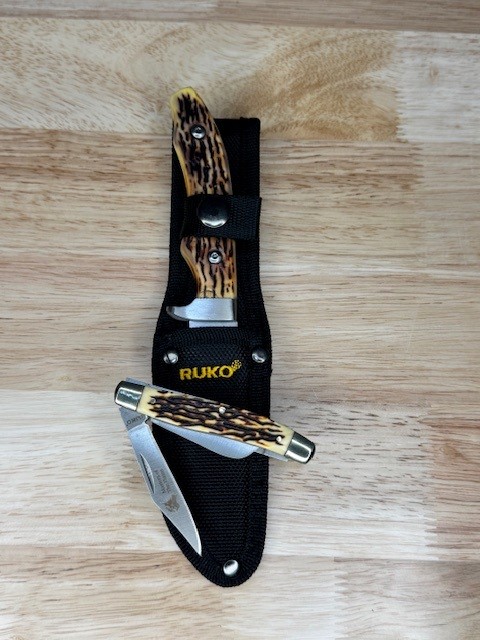
According to the new ownership team, the family had spent years searching for a business they could build together. With approximately 15 years of experience in the industry, they understood the market, the customers, and the opportunities that existed.
Rather than starting a new knife brand from scratch, they saw something valuable in RUKO.
They saw a company with history, established manufacturing relationships, existing customers, and a reputation for offering affordable products.
What they also saw was a company with plenty of room to grow.
A Good Knife Doesn’t Have to Cost a Fortune
Let’s talk about something that I believe gets overlooked in today’s knife market: affordability.
Don’t get me wrong. I appreciate a premium knife as much as anyone. There are some outstanding manufacturers producing exceptional blades using advanced steels, precision machining, and beautiful handle materials.
But do we really need to spend $200 or $300 to own a dependable pocketknife?
For most people, the answer is no.
I have owned inexpensive knives over the years that have served me extremely well. I’ve also owned some expensive knives that were certainly impressive, but didn’t necessarily accomplish everyday cutting tasks any better than their less expensive counterparts.
That’s not to suggest that all knives are created equal. They’re certainly not.
Blade steel, heat treatment, handle construction, locking mechanisms, and overall manufacturing quality can make a tremendous difference in how a knife performs.
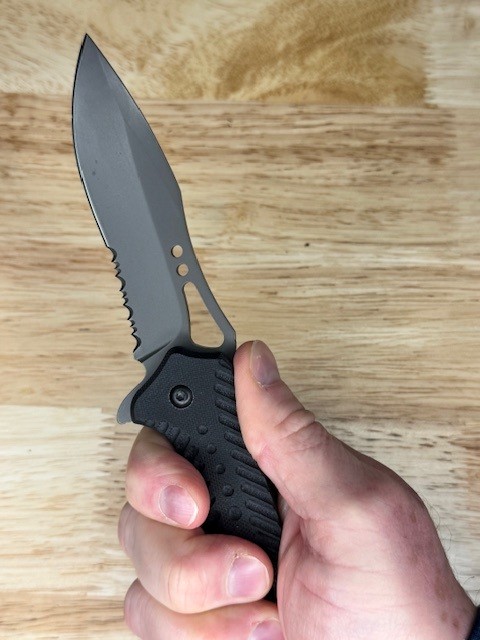
But there’s a large segment of consumers who simply want a dependable knife that will hold an edge reasonably well, feel comfortable in the hand, and perform the tasks they purchased it for.
That’s the market RUKO has traditionally served.
According to the company’s new ownership, many RUKO knives utilize 5Cr or 7Cr series stainless steels, while some competing products in similar price categories utilize lower-carbon 3Cr13-type stainless steels.
For someone unfamiliar with knife steel, those numbers might not mean much.
Generally speaking, the composition of 5Cr and 7Cr steel families can offer advantages in achievable hardness and edge retention compared with some lower-carbon alternatives. However, the specific steel formulation, heat treatment, and blade design ultimately determine how well a knife performs.
In other words, the type of steel matters, but it’s only one part of the equation.
What makes RUKO interesting is its commitment to offering these materials at prices intended to remain accessible to everyday buyers.
And when you combine that with the company’s limited lifetime warranty, the overall value becomes even more appealing.
Bringing an Established Brand Into the Modern World
One thing that stood out to me when learning about RUKO’s new ownership was how openly the company recognized the need for change.
The previous operation had several strengths, including long-standing manufacturing relationships and a history of strong inventory availability. But it also relied heavily on manual processes and had invested very little in advertising or online marketing.
That’s a difficult way to compete in today’s marketplace.
Think about how many of us discover new products now.
We watch YouTube videos, read online reviews, follow manufacturers on social media, and browse websites before making purchasing decisions.
If a company isn’t participating in those conversations, there’s a good chance consumers will never discover its products.
The new RUKO ownership intends to change that.
The company has introduced refreshed branding, including a new logo and updated packaging designed to make its products more appealing to consumers.
A new website is also part of the effort, making it easier for shoppers to learn about the brand and explore its product selection.
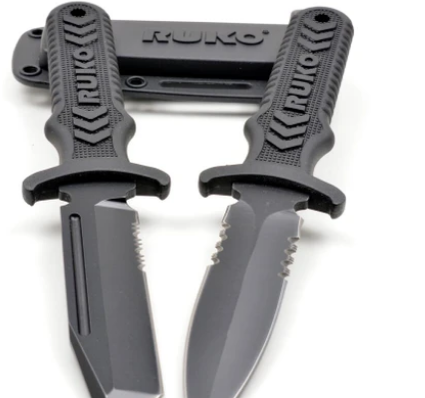
Behind the scenes, the company is investing in modern systems, automation, and artificial intelligence to streamline its operations.
Now, I realize that technology and automation aren’t necessarily the first things someone thinks about when buying a pocketknife.
But those improvements can make a difference.
A company that operates efficiently can potentially improve product availability, introduce new designs more quickly, and devote more attention to customer service.
And those are things consumers can appreciate.
New Products, New Ideas, and a Renewed Focus
Perhaps one of the most exciting aspects of RUKO’s new direction is its commitment to product development.
According to the ownership team, approximately 30 new products are currently in development.
That’s a significant undertaking for a smaller knife company.
And frankly, I think it’s exactly what an established brand like RUKO needs.
The knife market is constantly evolving. Consumers want different blade shapes, handle materials, locking mechanisms, and designs suited to specific applications.
Hunters have different needs than fishermen. Someone looking for an everyday carry knife might prefer something entirely different from a camper or tradesman.
The goal for RUKO is to develop a broad selection of products that serve these different customers while maintaining its focus on affordable pricing.
What I also appreciate is that the company isn’t planning to abandon the things that helped it survive for 70 years.
The new ownership intends to maintain its established manufacturing relationships, continue offering its limited lifetime warranty, and preserve the family-business atmosphere that has been part of the company’s identity.
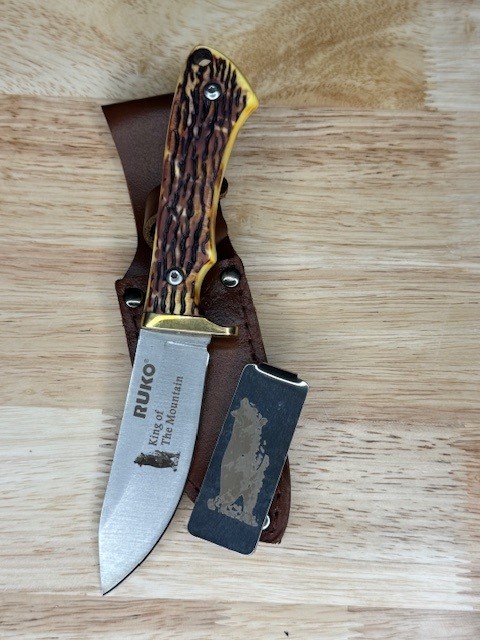
Sometimes progress doesn’t mean throwing away everything that came before.
Sometimes it simply means recognizing what works and finding better ways to build upon it.
Why I Think RUKO Is Worth Watching
I’ve spent a lot of years around the firearms and outdoor industry, and one thing I’ve learned is that the companies that succeed over the long term aren’t always the ones with the biggest advertising budgets or the most expensive products.
Often, they’re the companies that understand their customers and consistently deliver value.
RUKO has already demonstrated an ability to survive in a competitive market for seven decades. That’s not something to overlook.
Now the company has a new ownership team with industry experience, a willingness to invest in modern technology, and an interest in developing products that appeal to today’s consumers.
I also like the fact that RUKO intends to remain a family-run business.
There’s something refreshing about a company where the people making the decisions have a personal investment in the name on the packaging.
The ownership team’s vision is to make RUKO a leader in the affordable knife category while building a community of customers who appreciate dependable products at reasonable prices.
That’s an ambitious goal, but it’s certainly one worth pursuing.
Of course, the real test will come as new products enter the marketplace and consumers have an opportunity to evaluate them. New packaging and advertising might get someone’s attention, but product quality and customer service are what ultimately build long-term loyalty.
For now, I believe RUKO deserves another look.
Whether you’re an experienced knife enthusiast, a hunter looking for another useful tool, or someone shopping for a Christmas gift, there’s something appealing about a company that understands not every good knife needs to carry a premium price tag.
RUKO has spent 70 years building its name. Now, with new family ownership and a renewed commitment to innovation, the company has an opportunity to introduce that name to an entirely new generation.
And who knows? The next knife you give someone for Christmas might become the one they carry for the next 20 years.
Sometimes a new beginning doesn’t require a completely new idea.
Sometimes it simply requires putting a sharper edge on an old tradition.
For more information about RUKO Knives, its history, and current product offerings, visit www.rukoknives.com
