






Your Camping Setup Doesn’t Lie -by Kit Perez
You and your friends are sitting around a table after a range day. Somebody says, “We should all go
camping this summer”; The whole group enthusiastically agrees, and you make plans to meet up at a
rendezvous point. What you don’t realize is that all four of you agreed to four entirely different kinds of
trips, and that difference in definition will tell the group something important about each of you.
The first guy, Pete, will show up with one backpack. Everything he needs is in that pack, because he
spends a lot of time in the woods by himself. He carries everything in on his back; he’ll hike six miles in,
filter his water from the creek, and sleep under a tarp lean-to. If he didn’t carry it in, he doesn’t need it.
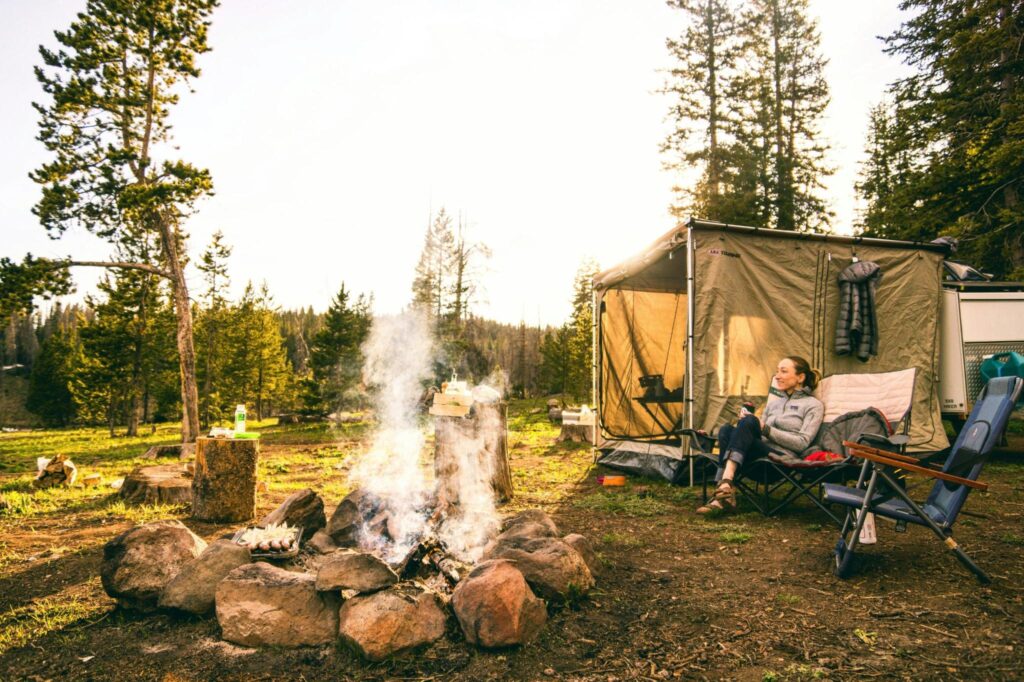
Tom is the second guy, and he’s going to bring an insane amount of stuff. He has a huge tent, extra
canopies, a better kitchen setup than most apartments, and an air mattress. On top of all of this, he has
a mobile Starlink, so wherever he goes, he has internet. Evenings at his camp might include watching a
movie on the projector screen he hangs on the wall of his canopy, after a chef-quality meal. All of it is
powered by an intricate solar panel setup and battery bank.
Jake has a 24-foot trailer with a slide-out livingroom and a queen bed. His integrated generator means
he has power everywhere, and his fridge is stuffed with everything he could possibly want to eat or
drink. What’s more, since his trailer sleeps 8 and his family isn’t coming this time, he has more room
than he knows what to do with.
You’re thinking about what amenities the nearest campgrounds have. Is there power? How about
water? Showers? Flush toilets or vault? What about lake access?
On trip day, things fall apart. Pete was expecting that everyone would be hiking in and was looking
forward to some intentional group discomfort. Tom needs good solar exposure and enough open space
to spread out his setup. Jake’s trailer severely limits potential camping spots in the backcountry, and
your family refuses to leave the comfort of the managed campground. What’s more, no one else even
brought their family. Everyone ends up going off on their own adventure because no one could agree on
what the word “camping” even meant.
This article is about more than camping styles, however. We’re talking about definitions and
expectations, and how agreement on a word doesn’t mean agreement in practice.
A Word Hides Differences
“Camping”; sounds specific but it isn’t. It covers everything from a man alone under a tarp to a family of
five in a climate-controlled trailer. It could mean you rucking into somewhere remote, or being 30 feet
from a stinky vault toilet and a loud rambunctious family with two barking dogs. When a group uses a
word that broad, everybody fills in the blanks with his own picture, and everybody assumes that their
own definition is the one everyone else is using too.
This matters way beyond a weekend trip, and we’ll get there. First, look harder at these four people,
because each one of them brings something real to the table, and yet each one of them has a hole in his
game.
Pete the Backpacker
What he’s got: He can go anywhere his legs will take him. Roads, trails, no trails, it doesn’t matter. He
owns real skills; he can find water, make shelter, navigate, and keep himself alive with what’s in one bag.
His plan assumes nothing works except what he brought, so when things break, he’s the least surprised
guy in the group. Every ounce in his pack fought for its spot, which means he thinks hard about what’s
necessary for that specific trip, and has done a weight and risk assessment.
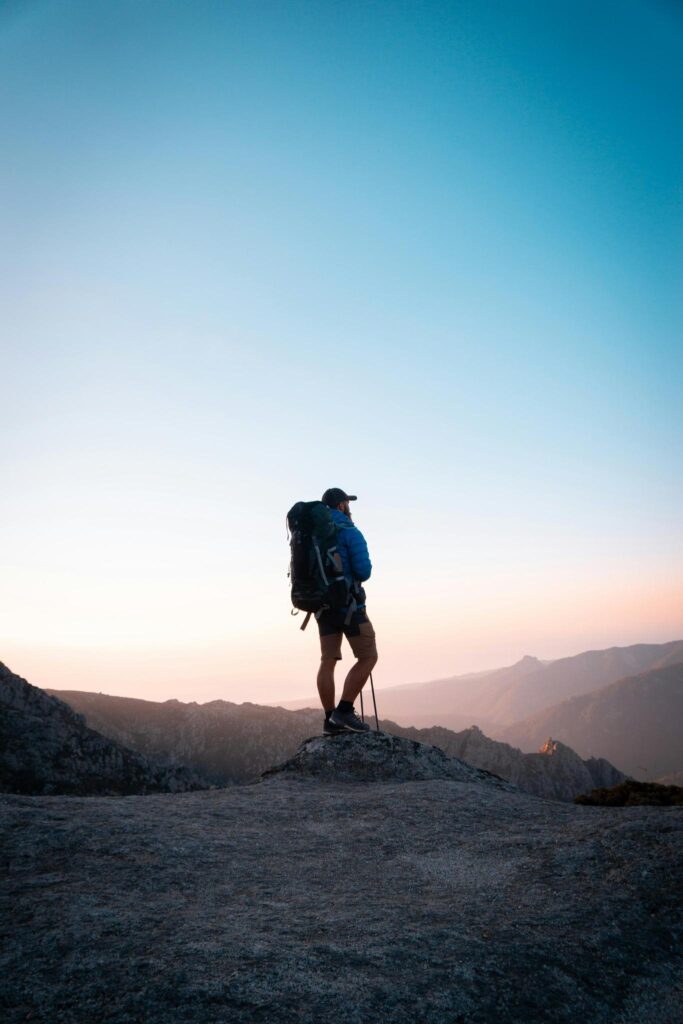
What he’s missing: His loadout is designed to support exactly one person: himself. His supplies cap out
at what a man can carry. If he twists an ankle ten miles in, his trip can get bad quickly. And because he’s
built his whole approach around going light and going alone, he may get impatient with anybody slower,
heavier, or less experienced, which is most people, including your kids.
Tom the Truck-and-Starlink Guy
What he’s got: This is the guy who owns portable power and communications, has actually run them
outdoors, and knows what kills them. Dead batteries, weak signal, panels in the shade, he’s fought all of
it. If your group ever needs power and comms away from an outlet, he’s the only one who’s rehearsed
it. His comfort setup also means his wife and kids will actually come along and actually come back, which
keeps whole families in the game.
What he’s missing: His whole trip runs through equipment. If his battery bank fails, an inverter dies, a
cable gets damaged, or several days of poor charging weather drain his power reserve, his experience
(and potentially his mood) can degrade quickly. His threshold for “this is miserable”; sits a lot lower than
Pete’s, so he might pack up sooner. His outdoor skills may be thinner than his gear collection suggests,
or he may have spent so much time in the field that he’s no longer interested in being uncomfortable
just to prove he can. As for the air mattress, does he need one because it’s purely comfort or because if
he doesn’t have it, his back will lock up and render him unable to function?
Jake the Trailer Guy
What he’s got: Nobody else at the table can sustain people like he can. He has enough food, water
storage, hard shelter, and power capacity to sustain people far longer than anyone else in the group.
When the wind picks up and the rain sets in, everyone will naturally gravitate to his awning. In any
situation where the goal is keeping several people fed, dry, and rested for a long stretch, he’s the most
valuable man in the group.
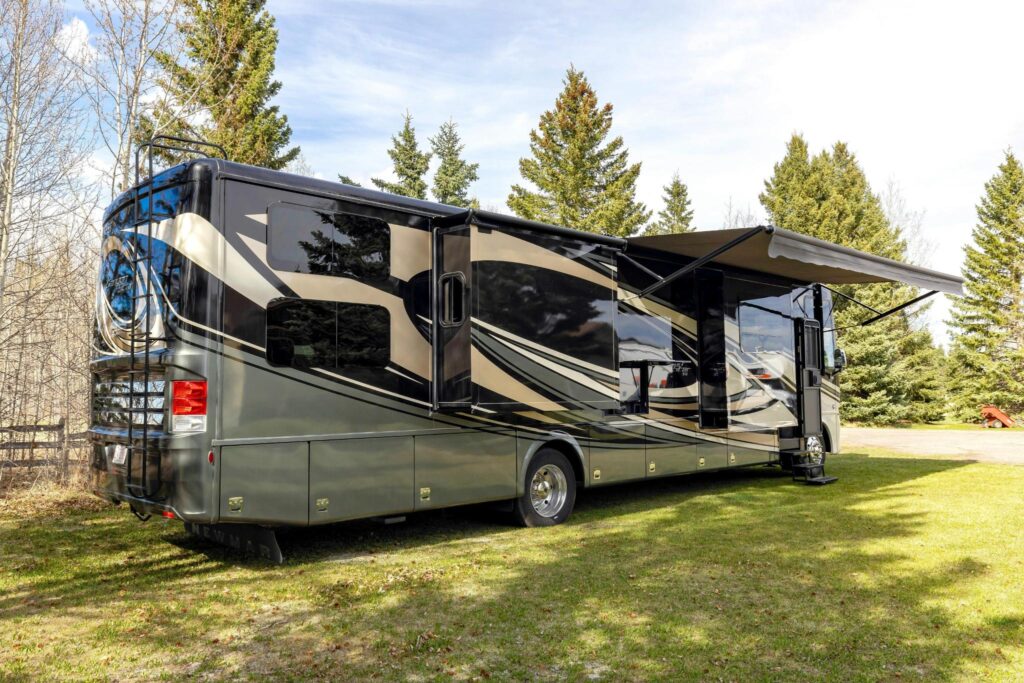
What he’s missing: He’s road-bound. Anywhere his rig can’t go, he can’t go, and that’s a lot of places. He
also burns fuel like a small country. If the tow vehicle fails, he loses a tire, or a road washes out, his
mobility can disappear instantly. His base still has value, but it is now stuck where it sits. He’s also
difficult to conceal, which may or may not be an issue for you.
You, the Campground Camper
What you’ve got: The barrier to entry is low enough that your family says yes, which means your kids
are at least somewhat familiar with things like putting up a tent or making a fire. You know the
managed-infrastructure world: which campgrounds have power and water, which ones will have spots
open, which sites flood, where the showers are worth using. You’re the reason whole families stay in the
camping game at all, and you might be the natural liaison between the hard-core guys and everyone
they’d otherwise leave behind.
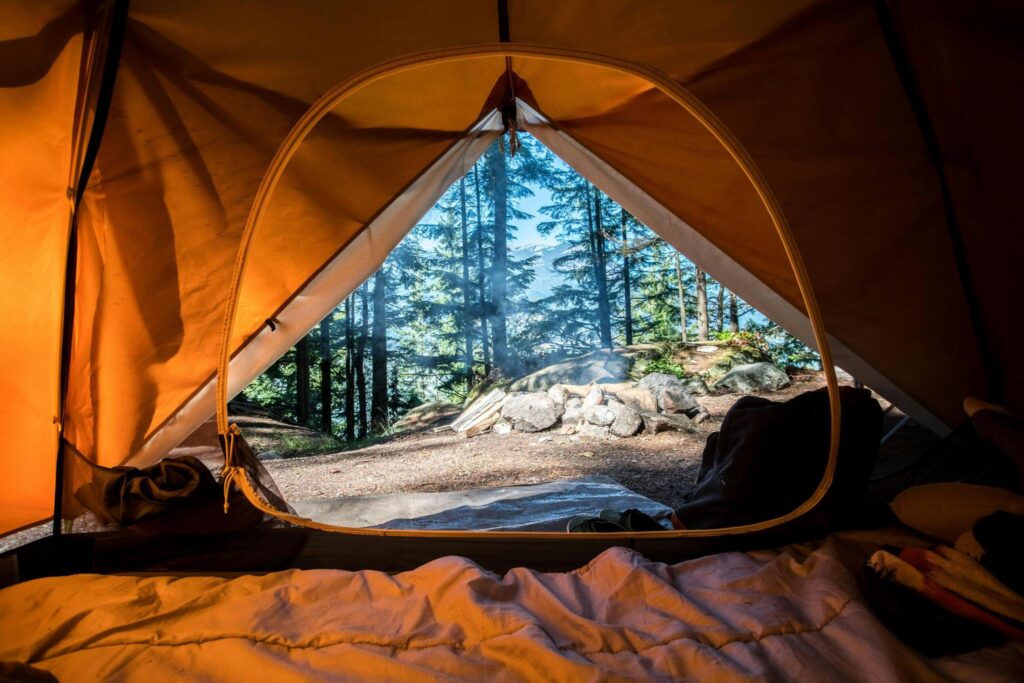
What you’re missing: Your entire plan assumes somebody else’s infrastructure exists and functions.
Power, water, toilets, firewood, a halfway-maintained road, all of it is someone else’s responsibility, and
you’ve never had to deal with a trip where these things aren’t present.
What it All Says About You
No one person will always fit into these stereotypes; there are a ton of different variations, and the goal
here is not to fit everyone you know into one of them. What you can do, however, is ask someone how
he defines camping and listen to the answer, because he just told you the truth about himself without
meaning to.
He gave you a clue about the conditions he has deliberately practiced functioning in, and the conditions
he normally avoids. A camping setup is a surprisingly honest field résumé. It obviously won't tell you
everything about a man, but it will tell you what his plans depend on, what problems he has actually
practiced solving, and where his mobility ends.
That cuts both ways, and here’s the guy to watch for: the one who talks like the backpacker and lives like
the trailer guy. He’ll tell you he can ruck ten miles because he did it once, fifteen years and forty pounds
ago. The gap between what he claims and what he’s currently rigged for is a gap your group will discover
eventually; hopefully it’s not in a grid-down scenario or some type of disaster.
To be fair, you should also give credit where it’s due. The man who says, "Look, my idea of camping is a
trailer with power and a real mattress" just handed you an accurate self-assessment. He’s being honest,
and you can work with that.
Where You Fit
Resist the urge to rank each other; contrary to popular belief, there’s no “wrong” way to go camping.
Each of you is an asset for some jobs and a liability for others, and a smart group uses each one to their
advantage.
The backpacker may be your best candidate for route reconnaissance or light, independent movement,
but he may balk at the idea of sitting in camp. The truck-camp guy can’t break down his full setup
quickly if you need to move, but he’s also the man who has off-grid power and communications. The
trailer guy can’t go too remote, but he can feed and shelter several people for days, potentially much
longer if he has a water source and fuel. The group that knows which man is which can build a plan that
works for everyone.
Guess What? This Wasn’t About Camping at All
You already see where this goes; camping is just the easy example. Every group you belong to, whether
that be your hunting buddies, your family, your church, the neighbors you’d count on if things got bad,
runs on the same kind of compressed words. What does hunting mean to each person in your group? Is
it living in a camp or cabin, or is it staying out in the weather? Is it stalking or sitting in a stand? What
does “unity” mean in your church group? Is it compliance or real agreement? What about your
neighbors? When you each agree to help each other, does that mean the same thing to each of you?
Have a Conversation
The real takeaway of this article is this: Before something happens and you need to rely on people in
your group, you need to figure out what definitions you’re all operating on.
“Do we all agree on the plan?”; is a useless question. Everybody always says yes, because everybody's
agreeing to the word, usually without realizing that others are defining it differently. Ask the better
question: How are we defining _________?
In your preparedness group, this could mean asking things like, “What are we preparing for? What does
‘being prepared’ look like? What responsibility do we have to people inside the group? What about
people outside it?”
In your church, this could mean, “What tenets do we agree on? What do we hold each other to? What
happens when someone strays outside of that?”
This could even be applied to a group of guys you’re going to the range with. How do they define safe
operations? What is off-limits conduct?
Pay attention to the answers, because they will tell you something about not only your group, but the
people in it. When you hear the sentence, “We’re all on the same page,” your first question should be:
Are we?
